

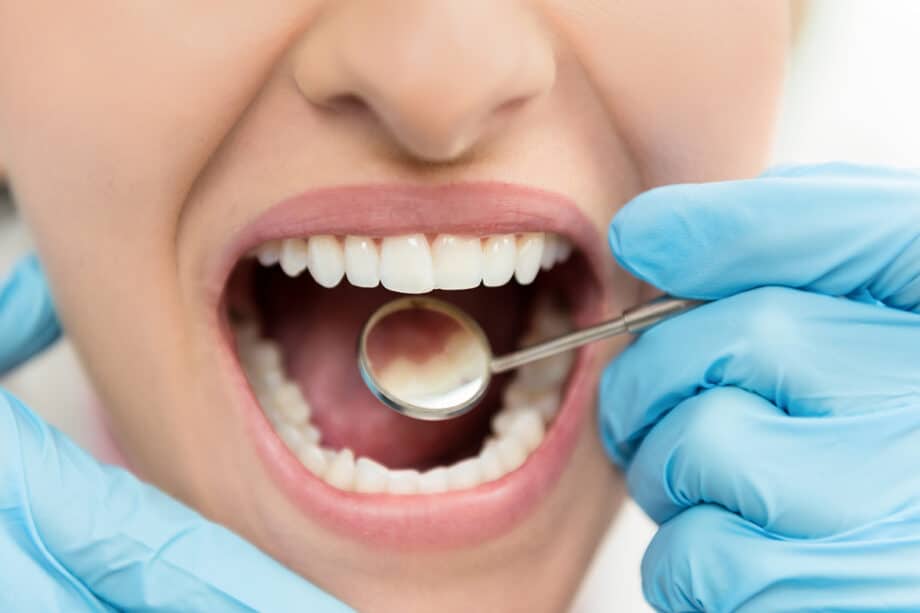
Understanding changes in your smile can be challenging, especially when you are unsure whether you are seeing harmless discoloration or the early stages of tooth decay. Many patients notice dark spots, yellowing, or patches on their teeth and wonder if they should be concerned. Distinguishing between cavities and staining is important because one is a cosmetic issue while the other requires prompt treatment to protect your oral health. General dentistry plays a key role in diagnosing these changes and helping you keep your smile healthy and bright.
At Gold Coast Smiles, patients often ask how to identify the difference between tooth decay and simple surface stains. While both can affect the appearance of your teeth, they develop for different reasons and require different solutions. Knowing what signs to look for can help you take the right steps toward protecting your smile and preventing future problems.
What Causes Tooth Staining?
Tooth staining is extremely common and can occur for a variety of reasons, many of which are related to daily habits. Foods and drinks such as coffee, tea, wine, dark berries, and tomato-based sauces can gradually discolor enamel. Tobacco products, including cigarettes and chewing tobacco, are another major cause of yellow and brown staining. These stains usually affect the outer layer of the tooth and do not indicate structural damage.
Another type of staining happens below the surface of the enamel. This deeper discoloration can form due to medications, childhood fluoride exposure, or natural aging as enamel thins and the darker dentin beneath becomes more visible. Although these stains are not harmful, they may be more resistant to whitening treatments. Fortunately, professional cosmetic solutions can often restore a bright, uniform appearance.
How Cavities Develop and Why They Look Similar
Cavities form when bacteria in the mouth break down sugars and produce acids that weaken the enamel. As this process continues, the enamel begins to demineralize and small areas of decay develop. Early cavities may appear as chalky white spots, which eventually darken as decay progresses. This color change can resemble staining, which is why some patients overlook it until sensitivity or discomfort begins.
Unlike staining, cavities compromise the tooth structure. Once decay has penetrated the enamel and reached the dentin, treatment is necessary to stop further damage. If left untreated, cavities can grow larger, lead to infection, and potentially require more advanced care. This is why regular checkups are essential. Through routine general dentistry visits, your dentist can identify early signs of decay before symptoms become noticeable.
Key Differences Between Cavities and Staining
Knowing how to tell these two issues apart can help you determine when it is time to visit the dentist. Stains are usually uniform in color and appear across the surface of the tooth. They rarely cause pain and do not create changes in tooth shape or texture. You may also notice that stains become more visible after enjoying foods or drinks known for discoloration. In many cases, professional cleaning or whitening treatments can significantly improve stained teeth.
Cavities, on the other hand, often present as localized spots rather than widespread discoloration. These areas may feel rough or sticky when touched with your tongue. You might also experience sensitivity to hot, cold, or sweet foods. Dark spots caused by cavities can appear brown, black, or even gray. If you notice a hole, pit, or persistent discoloration that does not brush away, it is likely a sign of decay rather than staining.
If you are unsure, the safest approach is to schedule a general dentistry appointment. A dentist can evaluate the tooth closely, take digital X-rays if needed, and determine whether treatment is necessary.
When to Seek Professional Guidance for Tooth Changes
Stains and cavities can look similar at first glance, but understanding the differences helps protect your long-term oral health. If you are ever concerned about a change in your tooth color or suspect decay, the team at Gold Coast Smiles is here to help. Early diagnosis and personalized care allow you to preserve your smile and maintain strong, healthy teeth for years to come.
Frequently Asked Questions About General Dentistry
How can I prevent staining on my teeth?
Brushing after meals, reducing dark beverages, and maintaining regular professional cleanings all help minimize staining. Using a straw for coffee or tea and quitting tobacco products can also make a noticeable difference.
How do I know if a dark spot on my tooth is a cavity?
If the spot does not brush away, feels rough or sticky, or is accompanied by sensitivity, it may be decay. A dental exam is the best way to determine whether treatment is needed.
At Gold Coast Smiles, we take pride in caring for our community through comprehensive dental services designed to support long-term oral health. Our team provides high quality preventive and restorative care in a comfortable environment, helping patients maintain strong and confident smiles. To schedule a visit or learn more about our services, contact us today.